Anticipatory|Después (A|D)
Anticipatory|Después visualizes the anticipatory grief of caregiving and the process of dying through performative videos and photography. Each piece shares the physical and emotional state of the dying, the caregiver, and at times the two concurrently. Ranging from fast and aggressive dance-like movement to slow and meditative contemplation, the enacted scenes capture a range of emotions and thought processes of understanding and untangling the intertwined traumas of caregiving and acute grief. As my mother’s caregiver in the final year of her life, I translate my personal experience of grief into my studio practice in order to combat the isolation and shame many grievers face in our death-avoidant culture. Through several series including Anticipatory|Después, the works aim to normalize honest conversations of grief and act as an entry point into education on end-of-life planning. While we will all eventually experience the pains of loss, preparing for the logistics of death and nurturing supportive communities for grievers can provide comfort and lessen the unnecessary stressors attached to loss.
For further caregiver-focused artwork, visit the Útiles Curativos page.

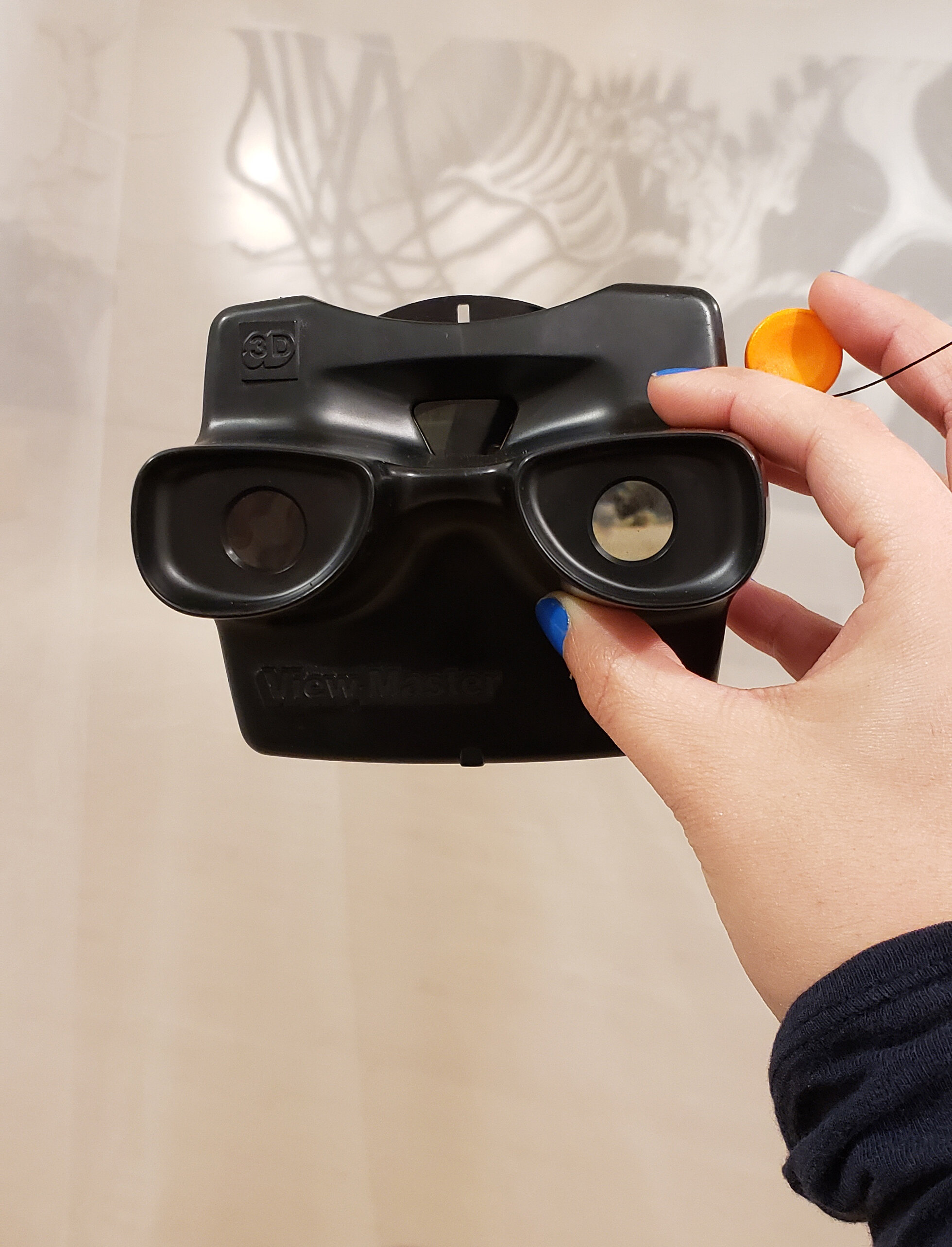
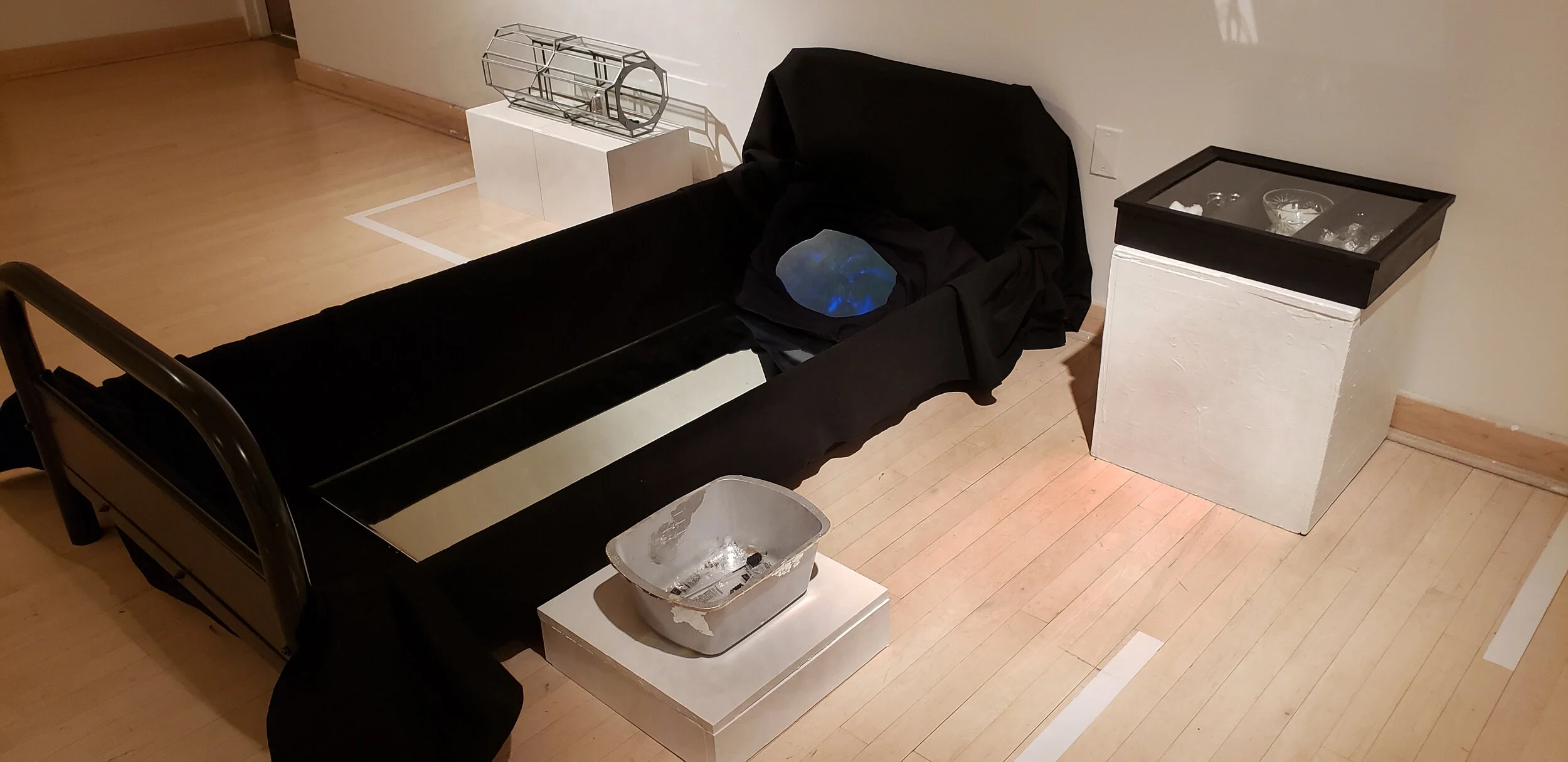




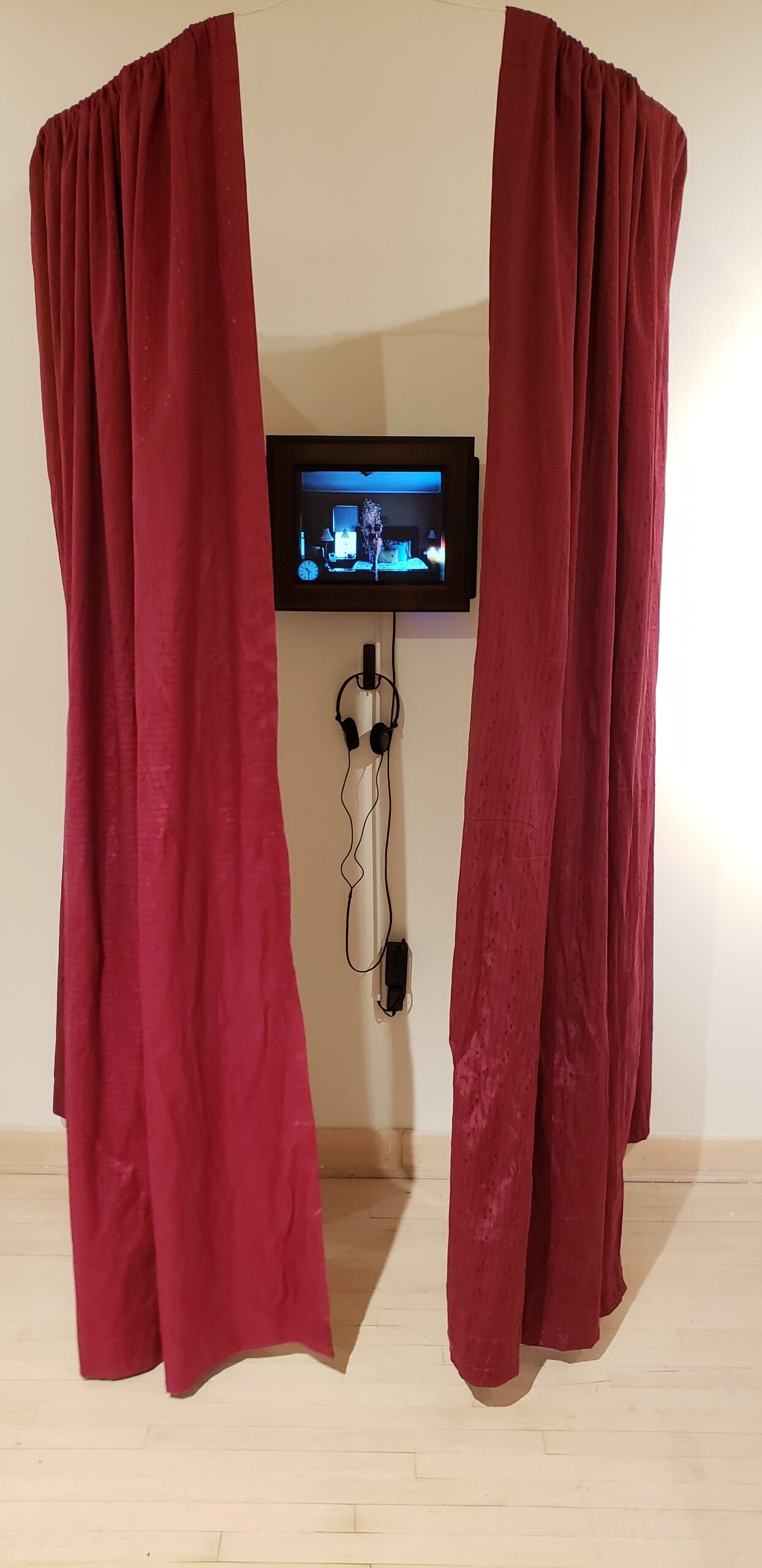
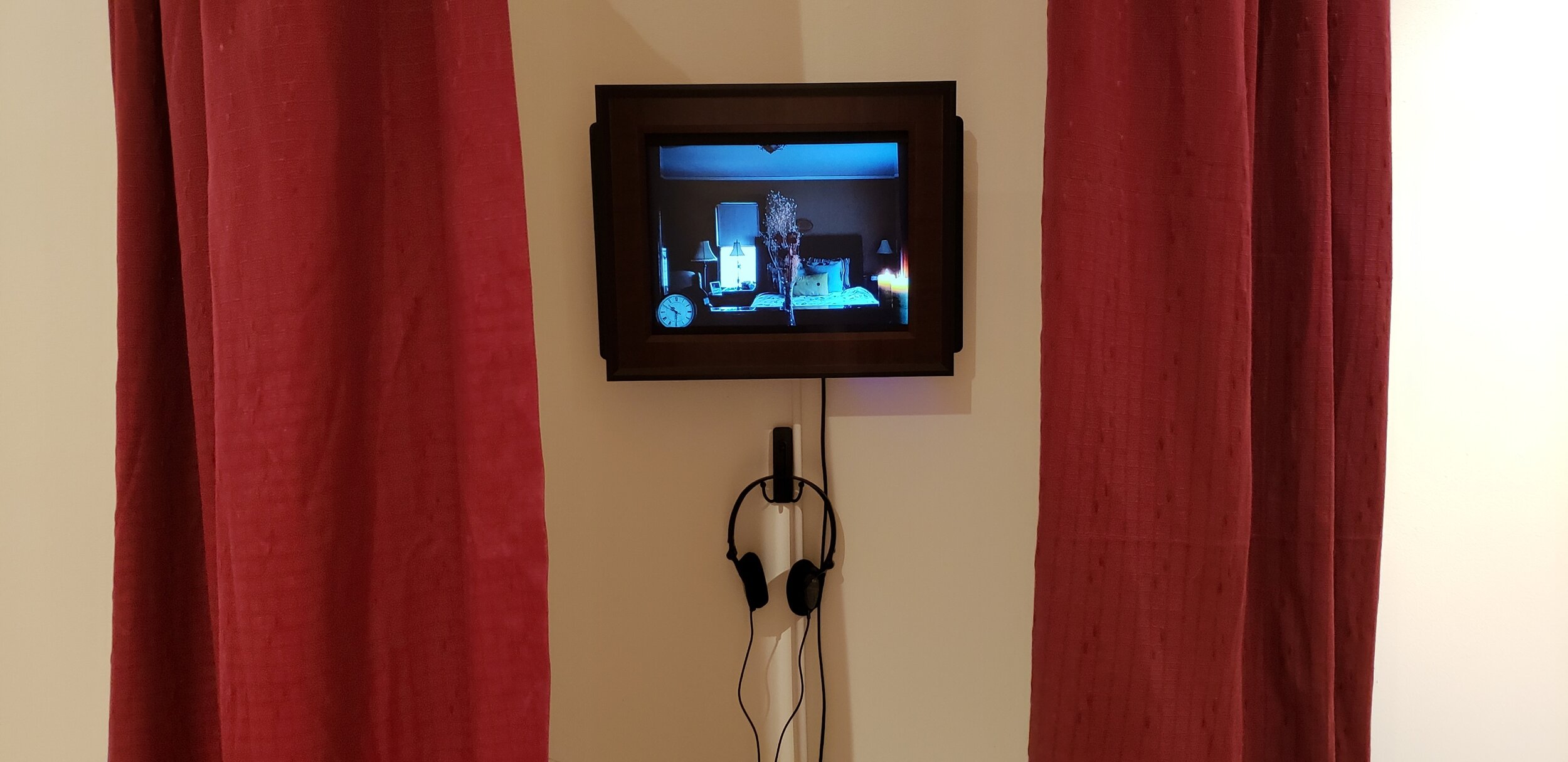
Consequence depicts the inner turmoil of caregiving for the terminally ill. The frustration and pain of the caregiver tasks, alongside anticipatory grief, are expressed in an imaginary space where they can be safely released. This piece honors the expression of rage as equal to the expression of sadness.
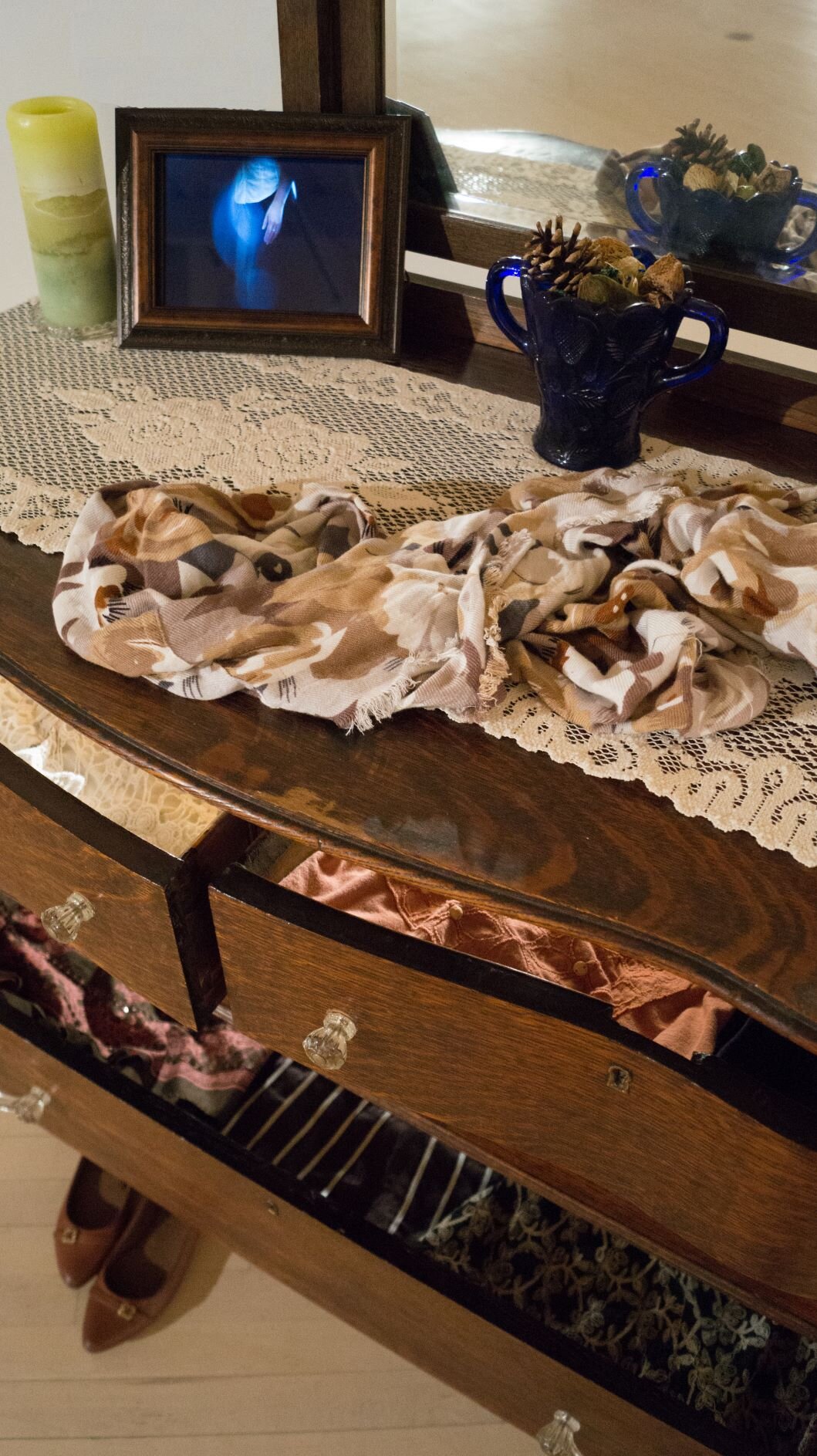
Sylvia creates a fragmented vision of the deceased by reenacting memories of her common movements while wearing her clothing.
Ahora glimpses at the unpredictable nature of grief-inflicted anxiety and panic by partially reenacting the violent final moments of my mother’s life.
Esencial is a visual meditation on what is cleansed from a life when grief becomes reality by reflecting on the physical process of my mother's cremation alongside the phrase “Grief is like a wildfire. It clears away the non-essential.”
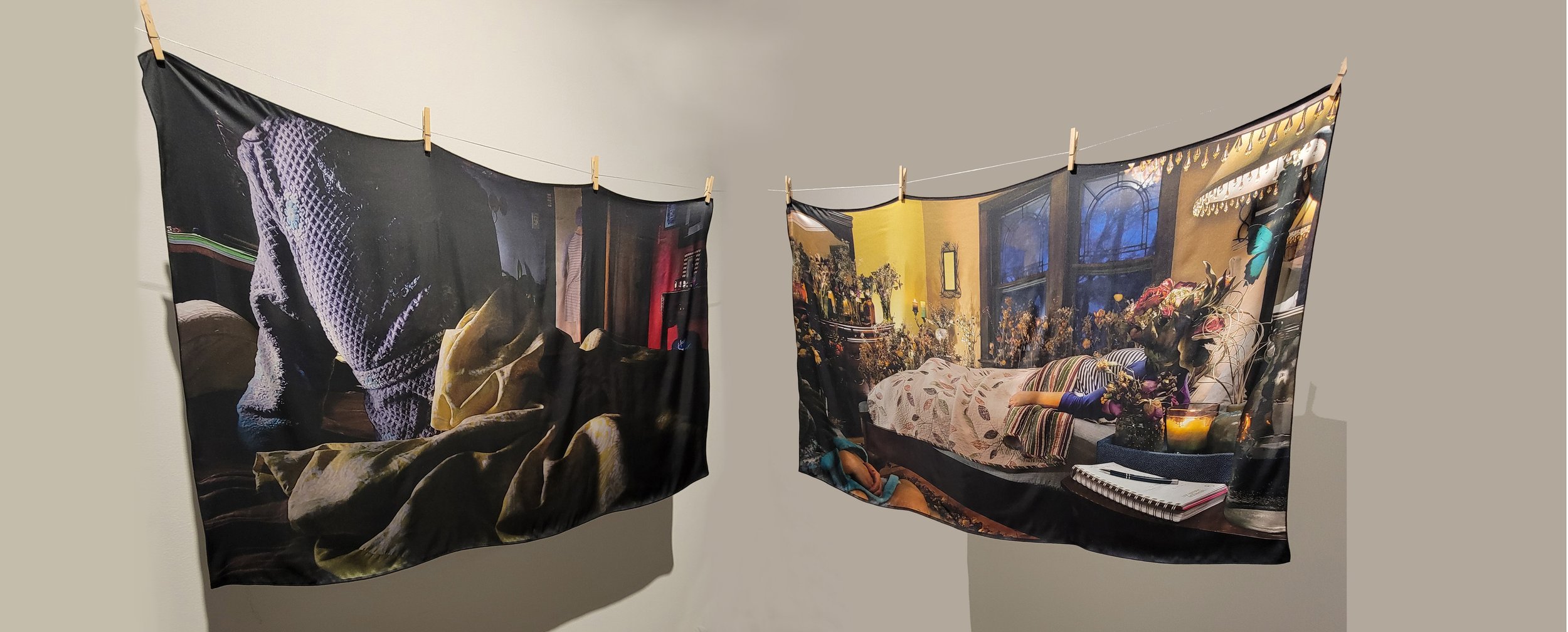
Vigil reenacts the final weeks of my mother's life, holding vigil in her room, surrounded by condolence flowers, waiting for death to relieve her pain.
Desequilibrio depicts the overwhelming disorientation and desperation for relief from recurring shock during acute grieving.
Tendedero glimpses at an everyday moment, which through the lens of grief becomes charged with the feeling of missing home and the person who made it home. My mother has gone to run an errand and left behind a note, "Babe, Will you please take the clothes down if it starts to rain. Love, Mom".
Para Mi Para Ti honors the labor of caregiving my mother provided to me as a child while reenacting my caregiving for her during the dying process.
Mirage reflects on the growing bond of my relationship with my mother as her health gradually declined.
Labyrinth meditates on the psychological process of the dying through the memory of an onlooking caregiver. The path of ashes is one that the dying has treaded and the caregiver will tread in the future even as the caregiver lives on.
Criada portrays the invisible labor of those who give care by embodying a memory of the deceased as a form of honoring the sacrifices of the dead.
No Puedo is a meditation on the secrets we keep in grief. The guilt of mistakes, knowledge of sensitive information, and memories which seem unspeakable.